
A biscuit bakes at around 180°C for 12–20 minutes. In that time most volatile aroma compounds simply leave — which is why doubling the dosage often changes nothing.
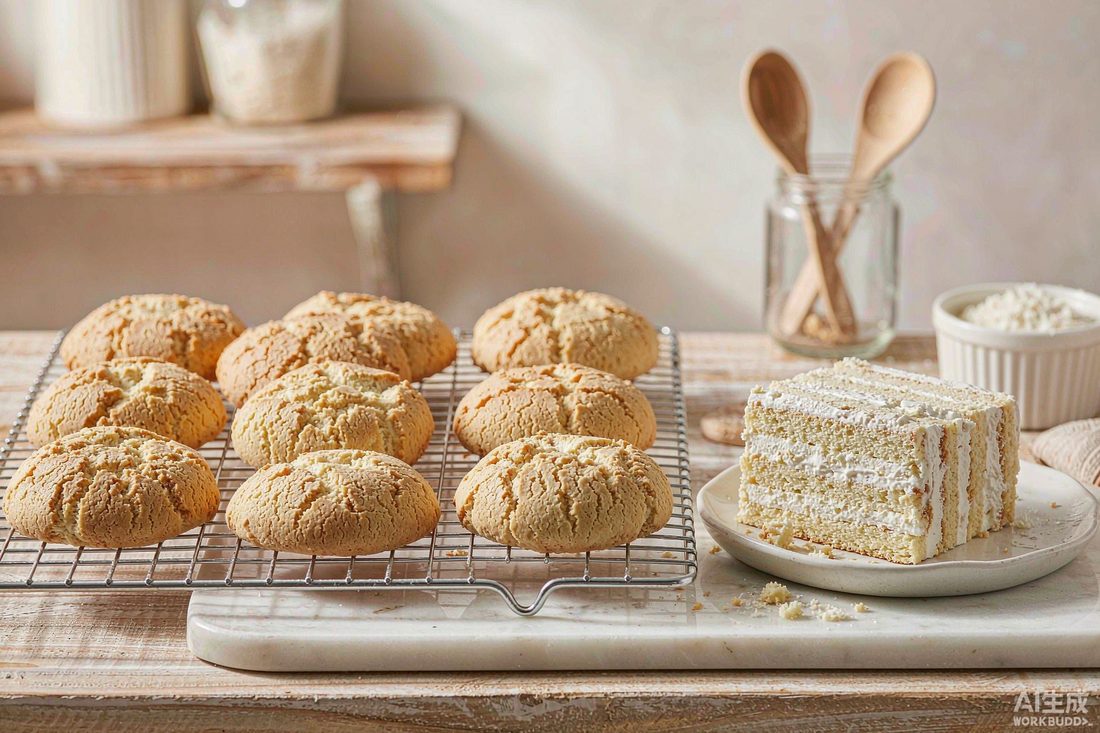
Where the flavor goes
- Volatilisation — aroma evaporates with steam leaving the product.
- Thermal degradation — delicate fruit esters break down at high temperature.
- Matrix binding — compounds react with proteins and starch, becoming odourless.
Encapsulation fixes it
Microcapsules wrap flavor droplets in a protective shell. The aroma survives the oven and is released by heat, moisture or chewing — so the biscuit tastes flavored in the mouth, not just in the mixing bowl.
If you can only change one thing: for products baked above 150°C, switch from liquid to microcapsule powder.
Match the form to the product
| Product | Typical process | Recommended form |
|---|---|---|
| Hard biscuits, crackers | 180–220°C | Microcapsule powder |
| Cake sponge, muffins | 170–190°C | Emulsion or encapsulated |
| Cream fillings, jams | Post-bake | Liquid or emulsion |
| Laminated pastry | 190–210°C, short bake | Oil-based liquid + butter powder |
Tell your flavor supplier
- Where the flavor is added (dough, cream, glaze)
- Fat content and water activity
- Baking temperature and time
See the baking flavors range or request samples.